The Sognefjord
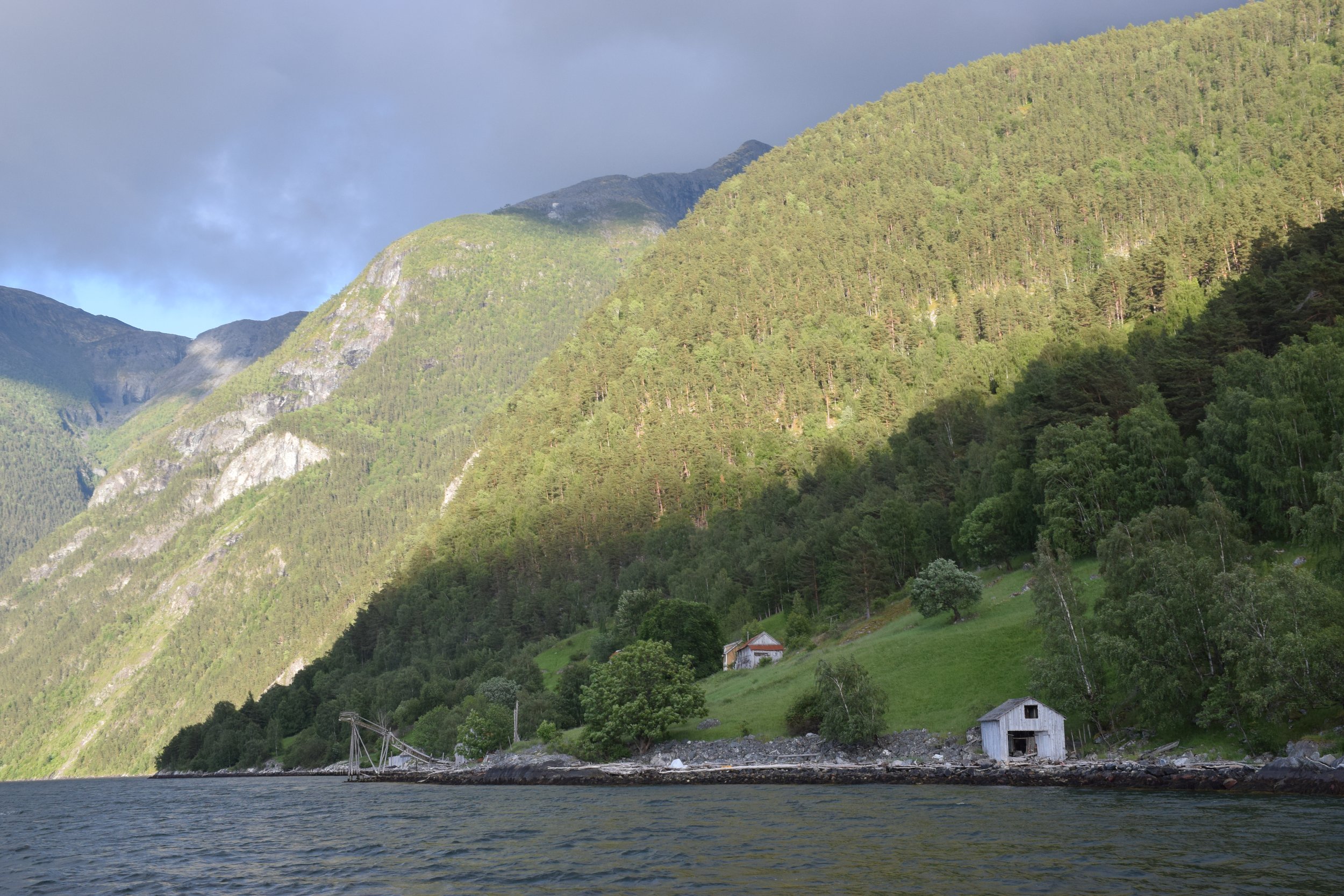
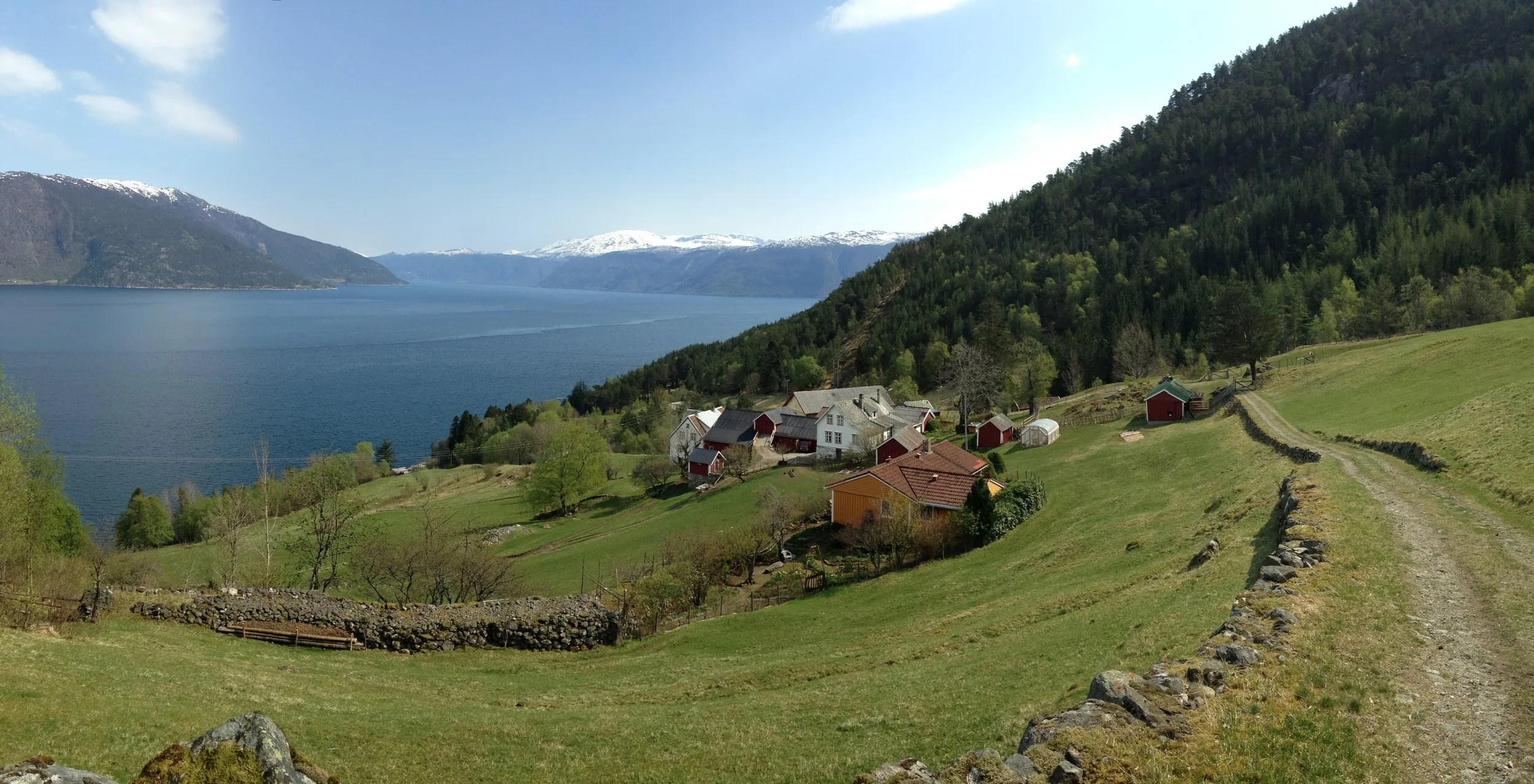
The Sognefjord is over 200 km long and 1300 m deep. Salmon has been important to everyone living along the fjord.
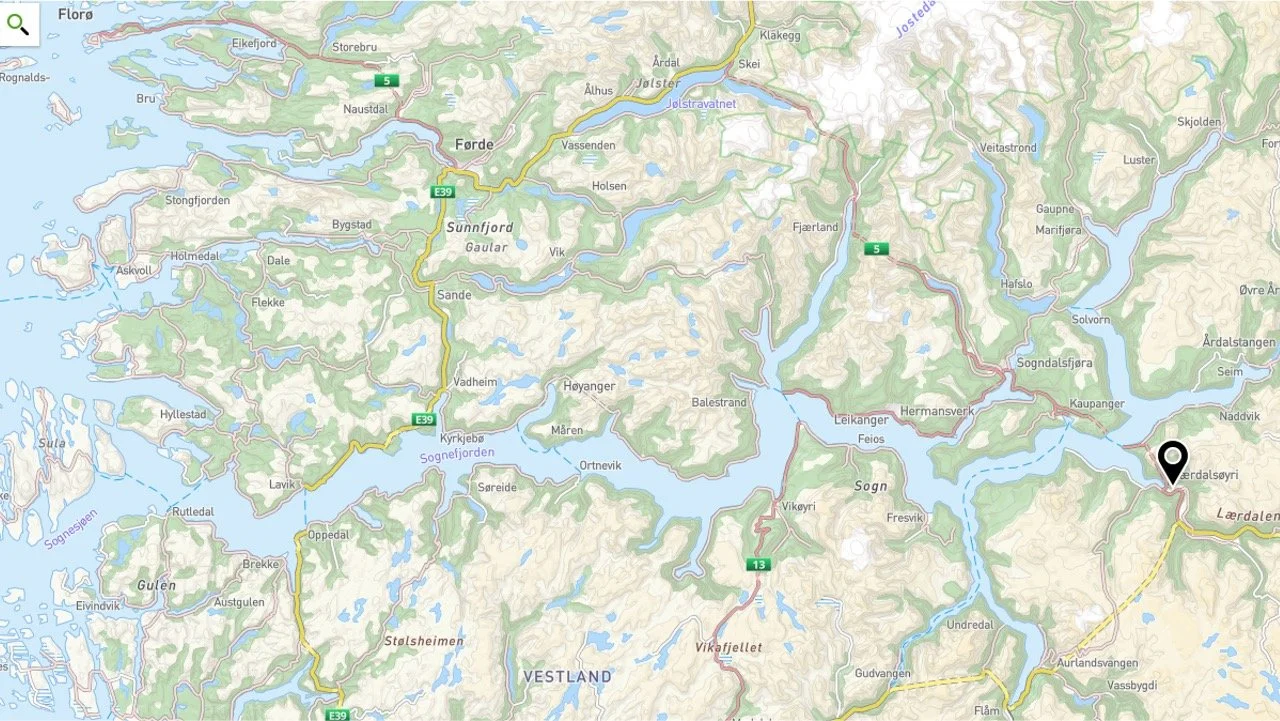
The Sognefjord
The Sognefjord is Norway's longest fjord. It stretches from the sea to Jotunheimen. With a depth of about 1300 meters, it is also one of the deepest fjords in the world.
The inner parts have the status of a national salmon fjord. Here, the salmon are to be protected from negative effects from other societal interests. The outer parts of the Sognefjord do not have this status.
When salmon were abundant, salmon fishing in the fjord provided food and large incomes. Now large areas in the outer fjord areas have been converted into aquaculture based on salmon as livestock. The inner fjord areas are the realm of wild salmon.
About 70% of all salmon that enter the Sognefjord are on their way home. The Lærdal River .
Fishing in the Sognefjord
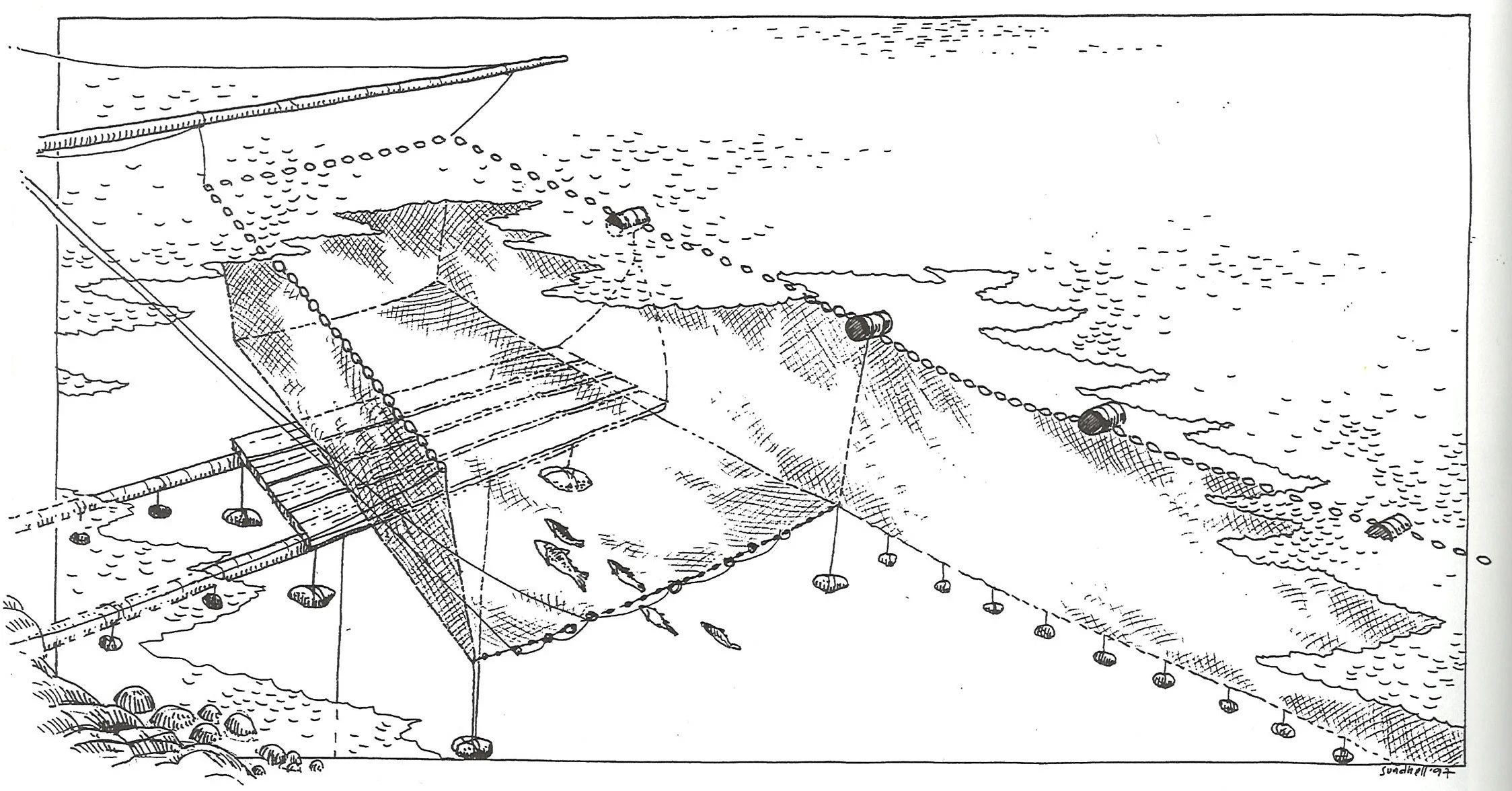
Fishing for salmon started in the rivers, then came fishing in the sea along the fjord and coast. A number of fishing methods were developed: seat seine, wedge seine and hook net.
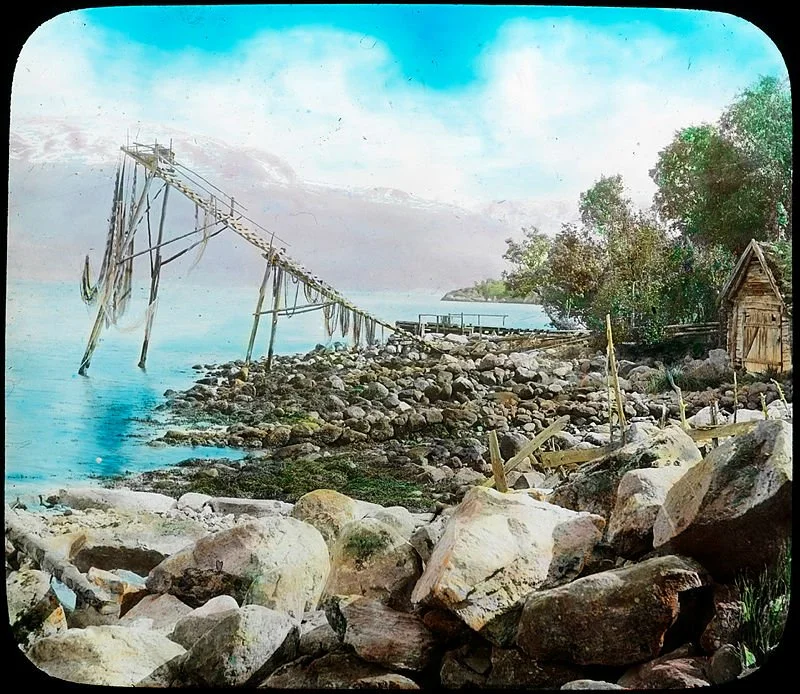
Nearly 100 fishing sites for seine (salmon cast) have been registered along the 200 km long fjord. White painted planks with net fencing around them were lowered into the water. The trap was open at the front and back.
The salmon usually swim in the upper 10-15 meters. From a high watchtower (gilja), the fisherman could see the salmon pass the white plate. The trap was closed at both ends and the salmon was caught.
The salmon like to swim in schools. It was important not to close too early or too late.